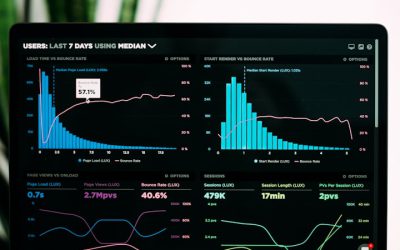
What Is Shopify Analytics and Why Does It Matter?
Shopify Analytics provides real-time dashboards, sales reports, customer behavior data, and financial summaries directly in your admin. Basic reports come free with all plans while Professional reports unlock advanced segmentation on Shopify and Advanced plans.
Table of Contents
Below we break down exactly what Shopify Analytics delivers, walk through the setup process, compare it against dedicated third-party tools, and share actionable tips from real Shopify merchants who use this feature daily.
What You Can Actually Do With Shopify Analytics
Here are the specific capabilities that set Shopify Analytics apart from basic alternatives:
- Real-time dashboard showing live visitors, sales, and top products
- Sales reports broken down by product, channel, discount, and staff member
- Customer reports tracking acquisition, retention, lifetime value, and cohorts
- Finance reports for taxes, payments, and gross vs net revenue
- Live View showing a real-time animated map of store visitors
Each of these capabilities is built directly into your Shopify admin. No external accounts, no API keys to configure, and no monthly add-on fees for the core functionality.
Shopify Analytics Pricing and Plan Requirements
Basic reports free on all plans. Professional reports require Shopify plan ($105/mo) or higher.
| Shopify Plan | Monthly Cost | Shopify Analytics Access |
|---|---|---|
| Starter | $5/mo | Limited or N/A |
| Basic | $39/mo | Core features included |
| Shopify | $105/mo | Full features + reports |
| Advanced | $399/mo | All features + priority |
Shopify Analytics vs Google Analytics and Triple Whale
Shopify merchants often ask whether the built-in Shopify Analytics is enough or if they should switch to a dedicated tool like Google Analytics or Triple Whale. Here is how they compare on the factors that matter most:
| Criteria | Shopify Analytics | Google Analytics |
|---|---|---|
| Setup complexity | Built-in, instant activation | Separate account + integration |
| Data synchronization | Native, real-time sync | API-based, potential delays |
| Cost | Included in Shopify plan | Additional monthly subscription |
| Customization depth | Good for 90% of use cases | More granular control available |
| Support | Shopify 24/7 support covers it | Separate support channel |
How to Get the Most From Shopify Analytics
These tips come from merchants who have optimized their use of this feature over months of real-world testing:
- Set up Google Analytics 4 alongside Shopify Analytics for a complete picture
- Check the Acquisition report weekly to see which channels drive the most revenue
- Use cohort analysis to measure customer retention and repeat purchase rates
- Export reports to CSV for advanced analysis in spreadsheets or BI tools
Who Benefits Most From Shopify Analytics?
Shopify Analytics delivers the most value for merchants who want a unified, maintenance-free solution integrated directly into their Shopify workflow. If you are already on Shopify, activating this feature is straightforward since it is part of your existing subscription.
Stores processing over $10,000 per month or managing multiple sales channels will see the biggest return. However, even smaller stores benefit from the zero-setup-cost advantage over third-party alternatives.
Try Shopify Analytics Free
”Core
Absolutely. Many merchants combine the built-in Shopify Analytics with specialized apps from the Shopify App Store. The native feature handles core needs while apps extend functionality for specific use cases.
Shopify Analytics offers seamless Shopify integration with zero setup, while Google Analytics provides more granular customization options. For most Shopify merchants, the built-in feature is more cost-effective and easier to manage.